
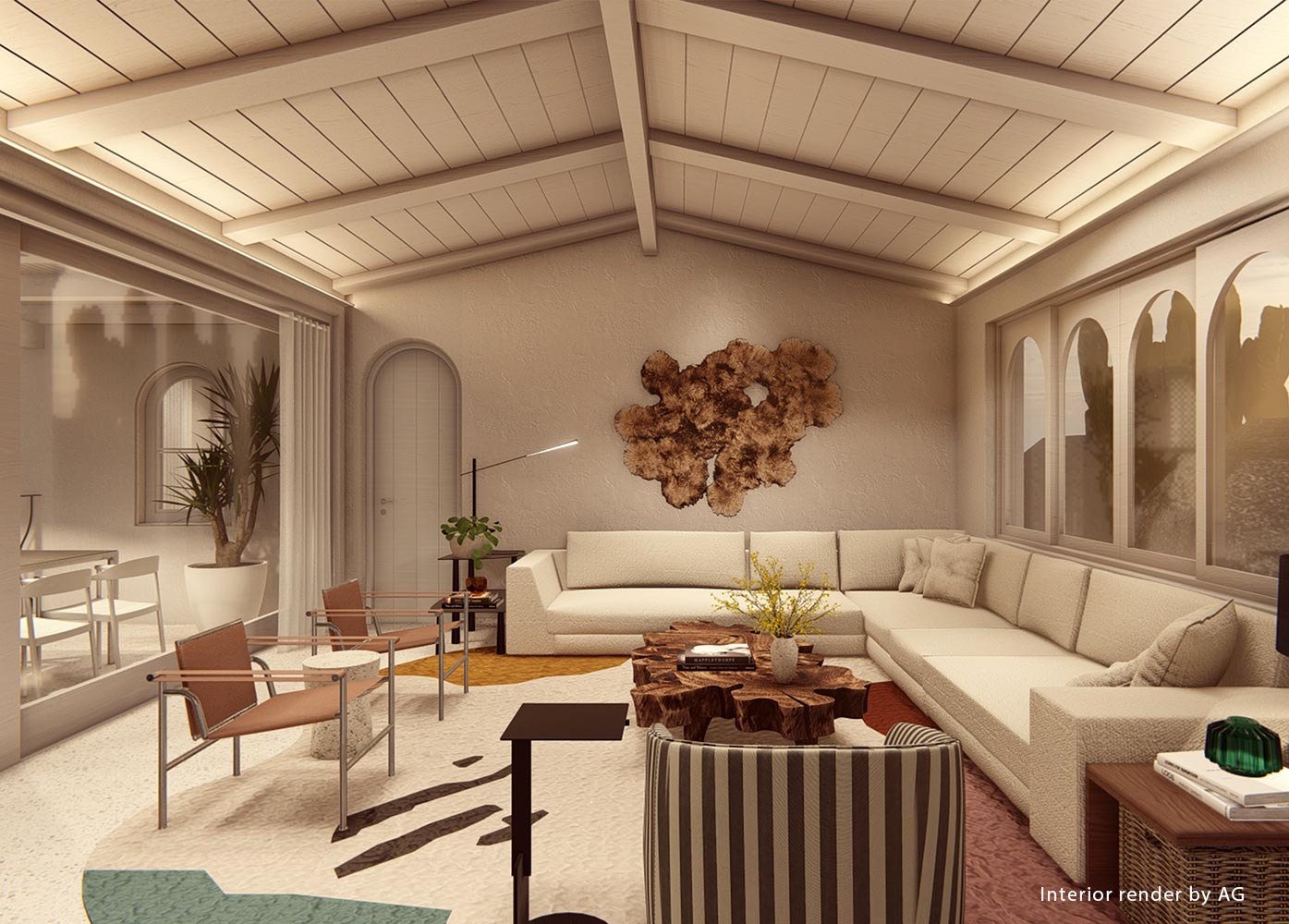
A well-structured house is more than just a showpiece of gorgeous furniture; it has a narrative to tell. The interior needs to enhance each piece of high-value contemporary African art, and should permit the cultural content, the quality of the work, and its emotional impact to become evident. Nowadays, luxury interiors are more commonly created around the art rather than vice versa.
The buildings should complement the art, not overpower it, as in the case of charcoal color drawings by William Kentridge, captivating photo portraits by Zanele Muholi, or emotionally expressive paintings by Nelson Makamo.
The house is designed to showcase the museum’s masterpieces and is equipped with various features such as unique placement options, lighting, materials, and architecture fitting for art galleries.
Begin with Artwork, Not the Furniture
The typical interior design process starts by choosing the furniture, flooring, or colors. It’s easier to get more coherent results if you try to reverse the process when you’re a serious art collector.
Ask yourself:
- What works of art will be focal points?
- What are the best “statement” walls for the most effective impact?
- What are the people’s movement patterns throughout the house?
- What areas should be intimate and which should be dramatic?
The ceiling height, the furniture arrangement, and every other architectural detail, whether large or small, should help to focus the collection’s visual effect.
Create Gallery-Inspired Walls
Walls are the setting of all the artworks, and the finish of the walls is as significant as their color.
Drywall is painted flat in most luxury interior styles, but textured finishes—while not necessarily flashy—are becoming popular for added depth without obstructions.
Popular choices include:
- A soft matte finish Venetian plaster.
- Limewash walls
- Fine mineral plaster
- Smooth micro cement
- Natural clay finishes
These materials reflect light in a subtle way, while also providing a richness to modern African art .
Neutral palettes are great and have these options:
- Warm ivory
- Soft taupe
- Sandstone
- Mushroom gray
- Muted clay
- Charcoal trim around select areas
Any room with large artworks should stick to shades of white, gray, and black, as bright colors will be a distraction in the room.
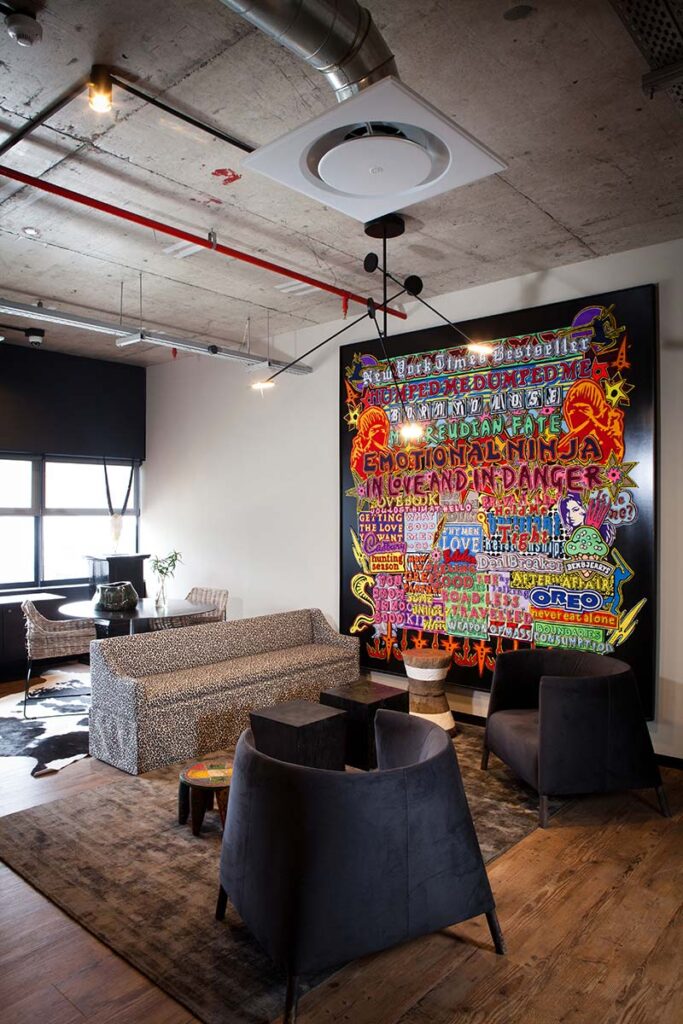
Master Museum-Grade Lighting
In an art-friendly home, probably the most important decision is connected to lighting.
Light is usually something that is desired, but it can be really hard to manage.
Paintings, photographs, and paper items will all degrade when they are exposed to direct sunlight. Therefore, many professional designers will go with museum-quality track lighting, which typically includes the following features:
- Adjustable beam angles
- High Color Rendering Index (CRI 95+)
- Low levels of UV and infrared radiation emissions
- Dimmable brightness
- The ability to flexibly reposition as collections change.
Layered lighting creates the best results.
Combine:
- Ceiling-mounted track fixtures
- Architectural wall washers
- Recessed ambient lighting
- Hidden Cove Illumination
- Accent spotlights
Most of the artworks require special light, not just lighting that is in the room.
How to Elevate Your Experience with Thoughtful Details?
Luxury interiors with high-value contemporary African art are more than just lighting and wall finishes. The very best homes combine architectural elements that afford a curated experience while ensuring the protection and enhancement of the collection.
Scale and proportion are among the most underrated aspects. Bigger paintings have to be placed on a large wall to give the eye room to travel and take in the whole image without getting distracted by the surroundings. Meanwhile, small-scale works are perfect for reading nooks, corridors, and personal lounges, as they are meant to be experienced from a close and intimate distance.
Here are some architectural improvements to think about:
- Double-height feature walls for monumental artworks where big scale is essential.
- Artwork hanging systems that can be hidden or repositioned without repeatedly damaging walls.
- Simple and elegant shadow-gap baseboards that evoke clean lines and direct attention to the art.
- In-built display pedestals for sculptures, ceramics, and mixed media installations.
- Storage rooms that are not easily visible, but can be used for rotation or for secure storage of works outside of display.
Technology has become increasingly important in gallery-inspired homes, too. Smart lighting systems can help homeowners set various moods of the day and also help in keeping the precious works away from the harmful effects of excessive light. Lighting scenes can be set for different activities and can switch from one to the other within a second, putting the best light on the artwork you want.
One other important factor to consider is visual flow. Do not crowd the walls; leave places in between the larger pieces. This creates an openness to the room while also giving individual items space to be seen and appreciated, adding to the overall elegance of the gallery.
Lastly, one must look outside the building, as well. Sculpture gardens or courtyards may be viewed from inside through large windows, creating a unity between the buildings and the art itself. It also adds to the composition of each room, making the entire gallery seem thought out and composed.
These architectural qualities coalesce to make the house more than a showcase, a well-crafted setting for every surface, view, and material to acknowledge excellence in contemporary African art.
Think Like a Curator
Artworks are spaced apart in professional galleries.
Avoid filling the entire wall space.
Instead:
- Leave bigger pieces to stand alone.
- Use spacing to create visual rhythm.
- Align smaller works in a group.
- Maintain similar hanging heights throughout the home.
- Do not hang artworks directly behind TVs.
The use of negative space enhances the significance of each piece.
Design Around the Collection
Artwork must not be overwhelmed by furniture.
Look for:
- Low-profile sofas
- Clean architectural lines
- Natural wood finishes
- Sculptural seating
- Simple coffee tables
- Minimal visual clutter
Large furniture should not obstruct important sight-lines to focal works.
The artwork should immediately be seen by visitors when entering a room, before the furnishings.
Add Rich Texture Without Visual Noise
Texture is used to create luxury interiors rather than over-decorating.
Very good supporting material is:
- Travertine
- Honed marble
- Oak
- Walnut
- Linen upholstery
- Bouclé fabrics
- Leather accents
- Wool rugs
- Handwoven textiles
The use of tactile materials gives warmth and a discreet look with the layering.
Use Custom Sculpture Alcoves
In Africa, modern works may well also take the form of sculpture in a variety of materials, including ceramics and mixed-media constructions, as well as paintings.
Sculptures should not be placed on unsuitable bases; sculptures are part of the building structure. Custom recessed alcoves offer:
- Built-in display areas
- Controlled lighting
- Greater visual prominence
- This is a good way to prevent accidental contact.
- Balanced room composition
Beautiful stone or plaster niches with hidden LED lights offer a museum-style presentation.
Plan Architectural Sightlines
The exceptional residences showcase art slowly.
Don’t show the whole thing all at once; make visual moments in the home.
Design techniques include:
- Long hallways terminating with a dramatic artwork
- Two floating staircases around sculptures.
- Double-height walls for large spaces.
- Turnable doors with gallery spaces
- Interior courtyards with outdoor sculpture.
These intentional sightlines will be bound to provide a memorable experience, as guests will see the home and make their way through it.
Use Natural Light with Caution
Valuable works may be harmed by too much exposure to daylight; collectors enjoy it.
Designers often include:
- Motorized UV-filtering shades
- Sheer curtains
- Deep roof overhangs
- Indirect skylights
- Smart glass technology
These solutions will keep artwork intact and bright interiors.
Select Floors That Will Support the Art
The floor should hold the room together without making any noise.
Ideal materials include:
- Wide-plank oak
- Limestone
- Polished concrete
- Terrazzo
- Large-format porcelain
- Natural slate
Use simple patterns and avoid patterns that distract from visually dynamic artwork.
Uninterrupted floors create calm and spacious galleries.
Integrate the Smart Climate Control
Environmental stability is a requirement for museum-quality collections.
Hidden climate systems in buildings, which can sustain a consistent temperature, are becoming more common in interior design.
- Temperature
- Humidity
- Air filtration
Canvases, paper, wood, and photographs are maintained for decades in stable environmental conditions.
Use Color Strategically
While neutral colours are the norm in luxury galleries, subtle colours can be used to accentuate particular collections.
Examples include:
- Lush ochres are great for expressive portraiture.
- Black and white photography is accentuated by deep charcoal.
- Clay colors are used to enhance mixed media installations.
- Olive-gray complements natural materials.
The intent is to highlight the artwork and not overpower it.
Keep Accessories Purposeful
Luxury gallery homes have no over-decoration.
Rather than a lot of trinkets, consider a few well-planned details:
- Handcrafted ceramic vessels
- Architectural books
- Minimal floral arrangements
- Sculptural lighting
- Statements Coffee Table Object is a collection of coffee table items.
This restraining helps to keep the artwork the visual focus.
Future-Proof Your Interior
Collections change over time.
The flexible design allows for the evolution of the home with new acquisitions.
Consider:
- Adjustable track lighting
- Modular wall systems
- Hidden electrical connections
- Movable display pedestals
- Expandable gallery walls
Future improvements will not be as costly if the design is flexible.
Creating a living room with high-dollar contemporary African art goes beyond just picking out nice furniture. It’s a challenge in architecture, lighting, proportion, texture, and restraint. From museum lighting to the Venetian plaster walls and sculptural alcoves, each design element should serve to improve the artwork, while also providing a refined and inviting space.
If interior architecture is carefully selected, the house turns into more than just a dwelling. It becomes a private gallery with one masterpiece in each room, each material a part of the story, and each room a tribute to the amazing artistry of the African contemporary.
FAQ
- Why do we need to design the interior around valuable artwork?
If there are any items of art that come with a large price tag, pay attention to what is around them. The right kind of lighting and other surrounding accessories can draw the eye to the art and prevent distractions or damage to the art.
- What type of lighting will work best for African Contemporary art?
I suggest using an adjustable beam angle LED track lighting with a high Color Rendering Index and minimal UV or infrared. It will allow you to see the true colors of the art and reduce the damage to the paintings.
- Are textured walls better than plain painted walls?
Yes, because the subtle shades of the Venetian plaster, limewash, or mineral plaster will look nice with the artwork on the walls.
Moreover, the fine pattern of this material will make the room look beautiful and be a great background for modern art.
- How to combine luxury with interior design?
Sculptures were given their own space (alcoves, depressions, and niches) and special display places with lighting. These displays draw attention to the three-dimensional works and provide protection from accidental damage, as well as offer an exhibition-quality atmosphere.
- Which furniture will complement high-value African artwork best?
I love minimalist furniture with a modern style and subtle shades of neutral colors. This kind of decorating of the walls allows for furnishing the room with wooden furniture and low couches and lets art complete the place.