
The Art of Timeless Interior Design
Timeless interior design is not defined by trend or excess. It is shaped through proportion, restraint, materiality, and a deep understanding of how a space should feel over time.
At Andrea Graff Interior Design, timeless interiors are approached as layered environments rather than decorative statements. Architecture, light, texture, and carefully curated objects come together to create spaces that feel composed, personal, and enduring.
The intention is never to follow seasonal aesthetics or fleeting design movements. Instead, the focus remains on creating interiors with longevity, where every element contributes quietly to the overall atmosphere.
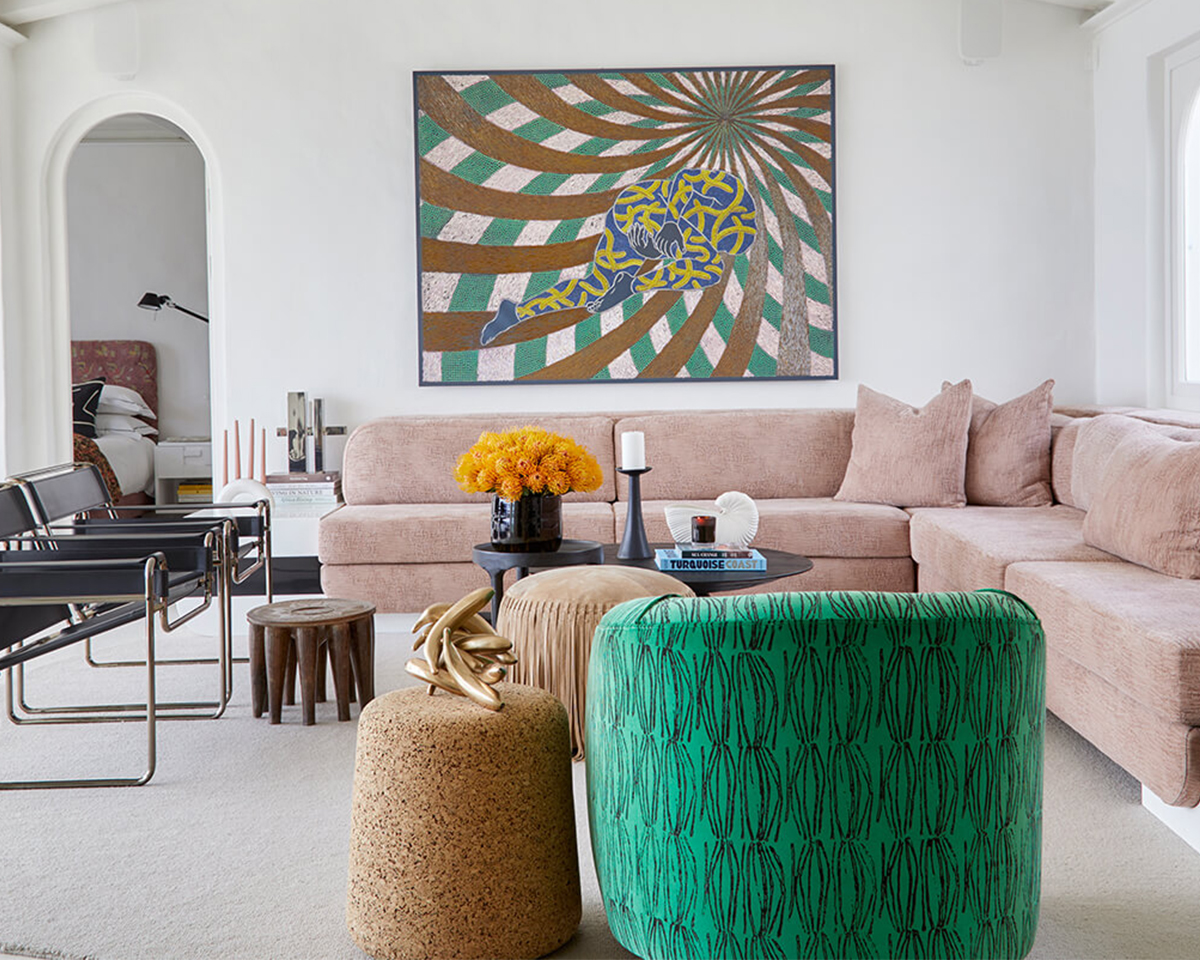
Beyond Trends
Trends often create immediacy, but timeless interiors create permanence.
A well-resolved home does not rely on repetition or visual excess to make an impression. It reveals itself gradually through balance, material depth, and thoughtful detailing. These spaces continue to feel relevant because they are grounded in clarity rather than novelty.
This approach begins with architecture and proportion. Natural light, spatial flow, and material relationships establish the foundation long before decorative layers are introduced. From there, textures and finishes are curated with restraint, allowing the interior to develop depth and warmth organically.
The result feels collected over time rather than consciously styled.
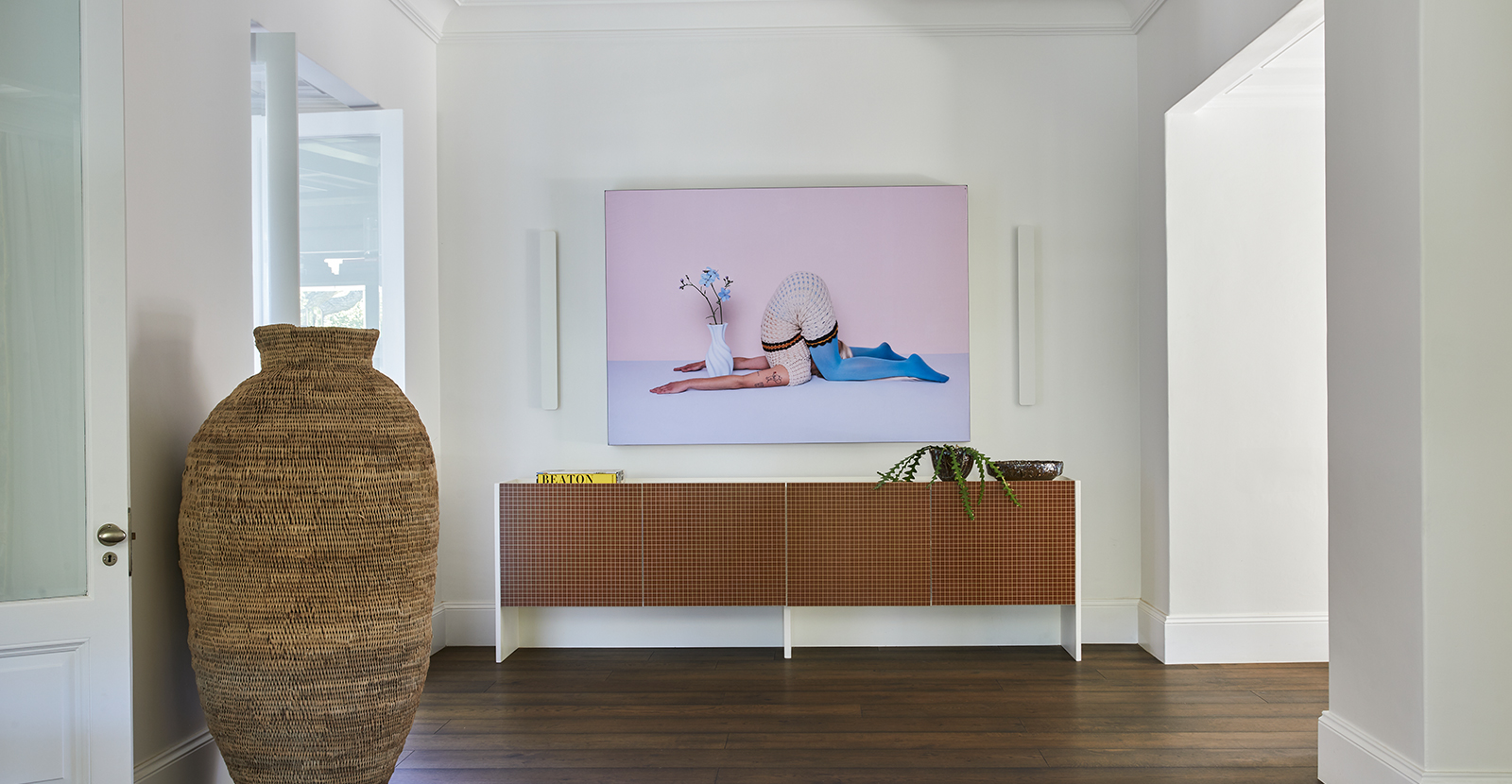
Materiality and Lasting Beauty
Materials play a defining role in timeless interiors.
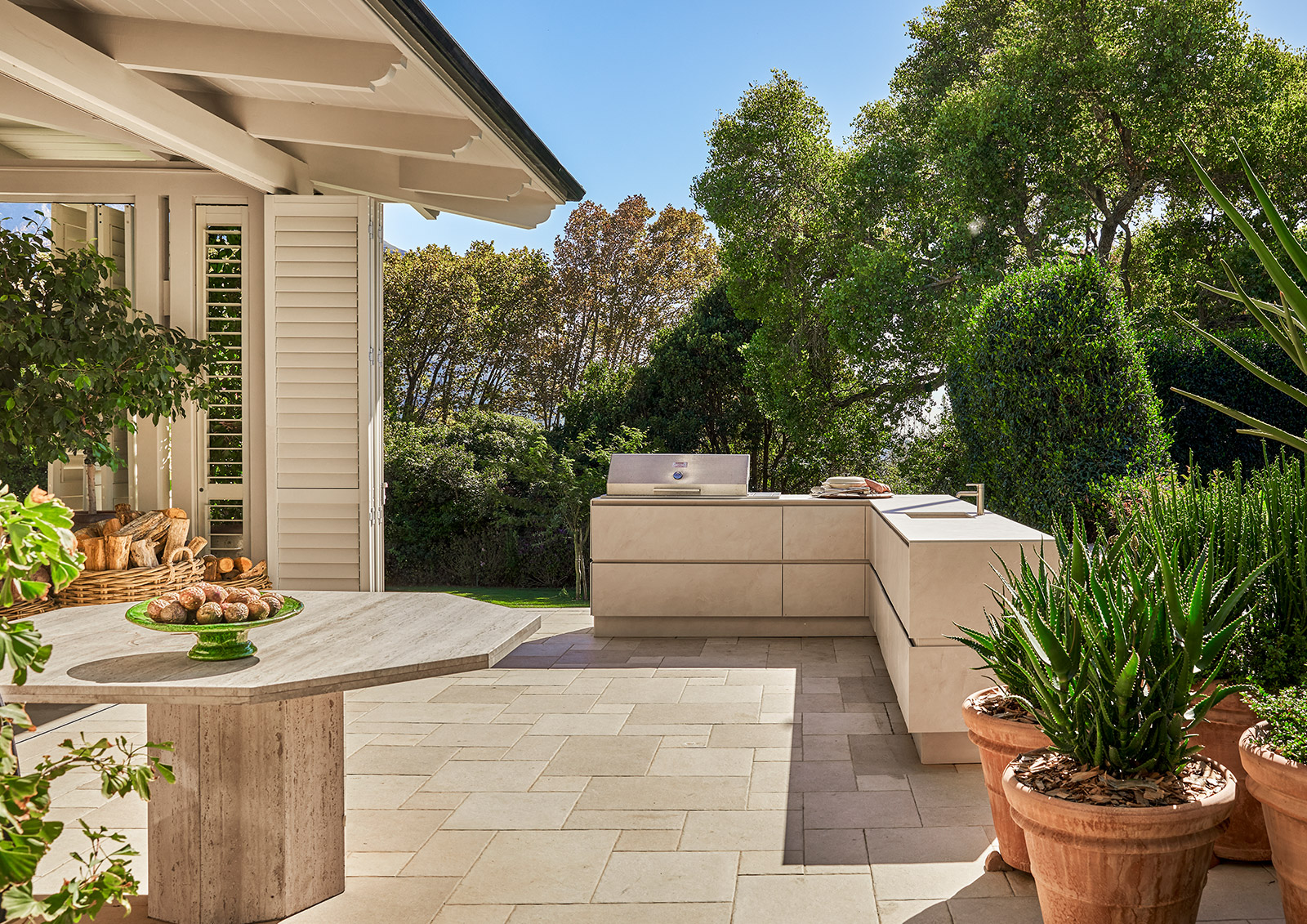
Natural stone, timber, linen, bronze, and textured finishes introduce a tactile quality that softens a space while adding quiet sophistication. These materials age gracefully, developing character through use and time rather than losing relevance.
At Andrea Graff Interior Design, material selection is approached with sensitivity. The focus remains on tonal balance, craftsmanship, and how surfaces interact within changing light throughout the day.
This layered approach creates interiors that feel warm, grounded, and deeply connected to their environment.
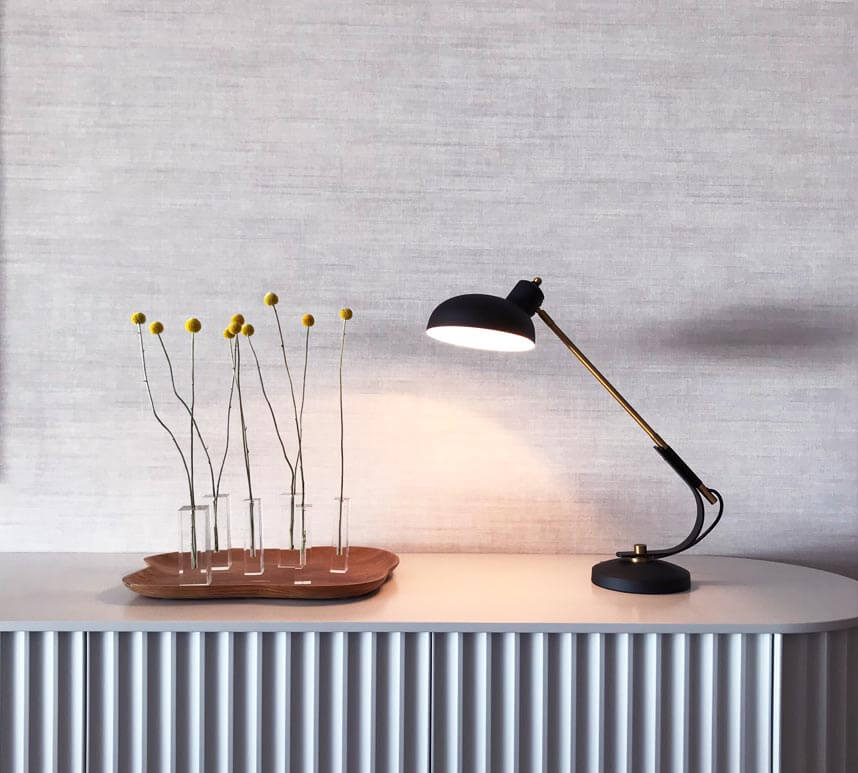
Curated Rather Than Decorated
Timeless interiors are rarely overworked.
Furniture, art, and collected objects are introduced carefully, creating visual rhythm without overwhelming the space. Bespoke pieces often sit alongside vintage finds, allowing contrast and personality to emerge naturally.
Negative space is equally important. Allowing a room to breathe creates calm and clarity, giving each element greater presence and intention.
This balance between refinement and restraint shapes interiors that feel comfortable and sophisticated while retaining emotional warmth.
Frequently Asked Question
Why is materiality important in luxury interiors?
Materiality shapes atmosphere, tactile experience, and visual depth, influencing how a space feels and evolves.
Which materials are commonly used in luxury interiors?
Natural stone, timber, linen, bronze, leather, textured plaster, and artisanal finishes are often used for their warmth and longevity.
How does texture influence the atmosphere of a space?
Texture introduces softness, balance, and visual rhythm, allowing interiors to feel layered and emotionally engaging.
Why do natural materials feel more timeless?
Natural materials age gracefully, developing character and depth rather than appearing dated over time.
Can minimal interiors still feel warm?
Yes. Thoughtful layering of texture and material contrast allows minimalist interiors to retain warmth and intimacy.
What role does lighting play in materiality?
Lighting enhances textures and surfaces, shaping how materials are perceived throughout different times of the day.
Why is restraint important within luxury interiors?
Restraint allows materials, craftsmanship, and proportion to hold presence without overwhelming the space.
How does bespoke detailing contribute to luxury interiors?
Bespoke detailing introduces individuality and refinement, creating interiors that feel more resolved and personal.
What defines timeless material selection?
Timeless materials prioritise craftsmanship, authenticity, and tactile quality over trend-driven finishes.
What distinguishes Andrea Graff Interior Design’s approach?
The studio is recognised for its layered and editorial approach to interiors, combining texture, warmth, craftsmanship, and carefully curated material palettes.