
Commercial Interior Design
Commercial interiors shape the way people experience a space long before interaction begins. Atmosphere, proportion, materiality, and flow work together to create environments that feel instinctive, composed, and quietly memorable.
At Andrea Graff Interior Design, commercial projects are approached through a deeply considered lens. Each space is developed as a layered narrative, where architecture, texture, lighting, and bespoke detailing come together to form an environment with clarity and presence. The intention is never simply to create a functional setting. It is to shape spaces that leave a lasting emotional impression while responding seamlessly to the rhythm of everyday use.
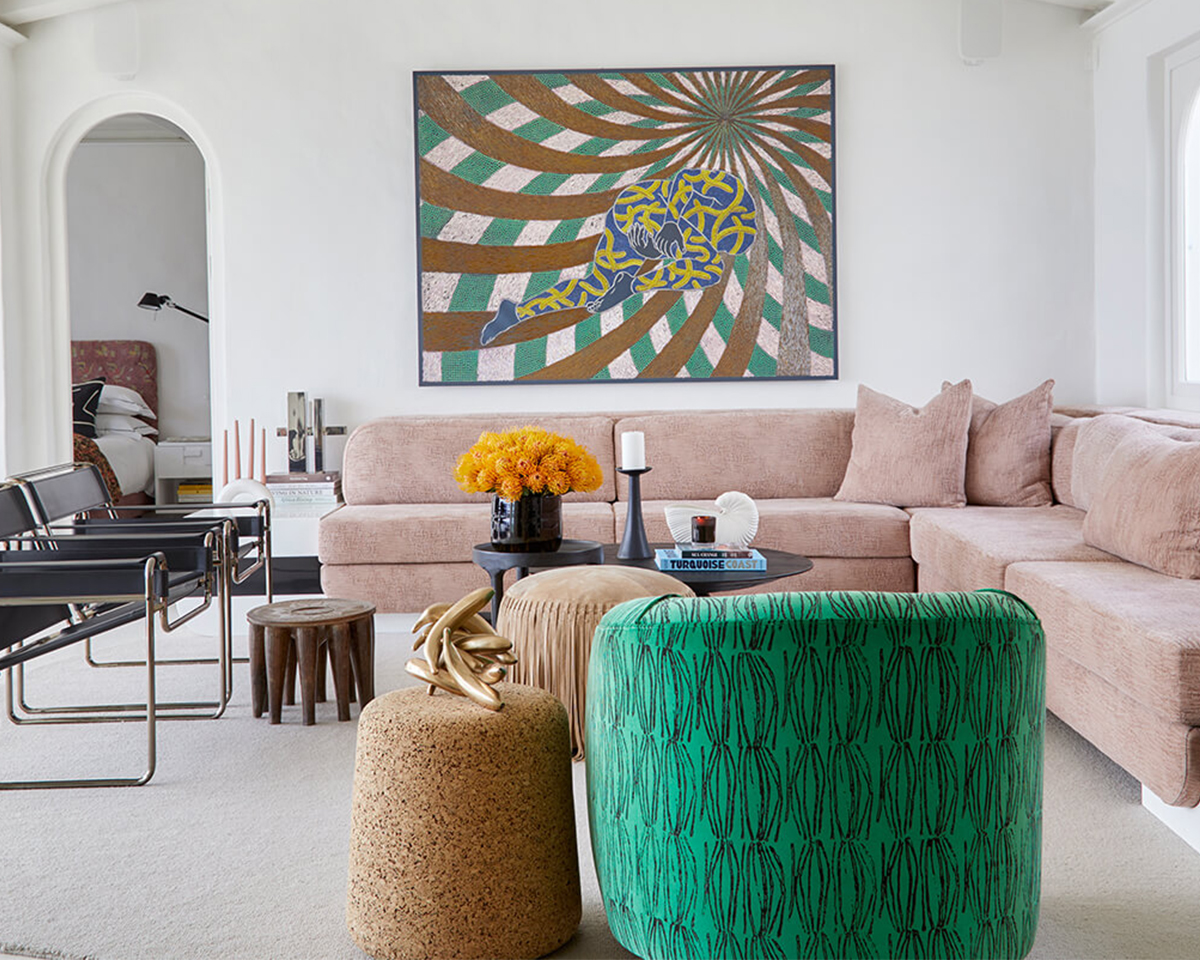
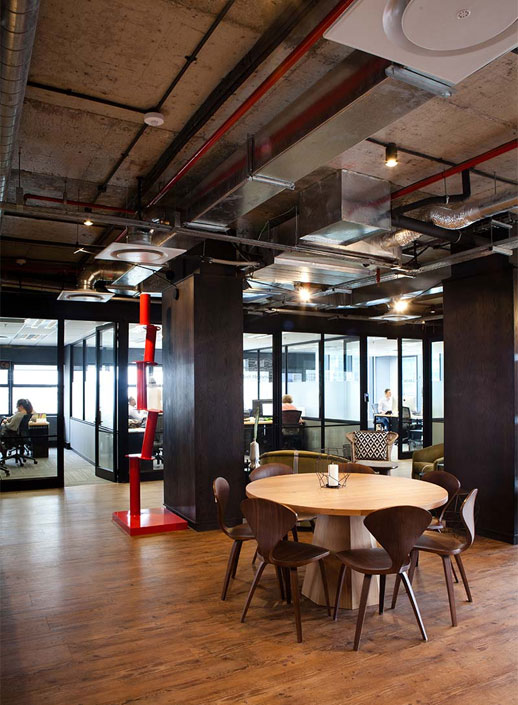
Spaces Defined by Atmosphere
Every commercial environment carries its own identity.
A boutique hospitality space requires intimacy and warmth. A refined retail environment calls for rhythm, contrast, and visual restraint. Workplace interiors demand balance, allowing moments of collaboration to coexist with calm and privacy.
The design process begins by understanding this identity at its core. Spatial flow, natural light, architectural context, and material language are carefully studied before the visual narrative begins to unfold.
From there, each layer is introduced with intention.
Natural materials soften architectural structure. Lighting creates mood and movement throughout the day. Bespoke furnishings and curated objects bring depth, texture, and individuality into the space.
The result is an environment that feels effortless, yet highly resolved.
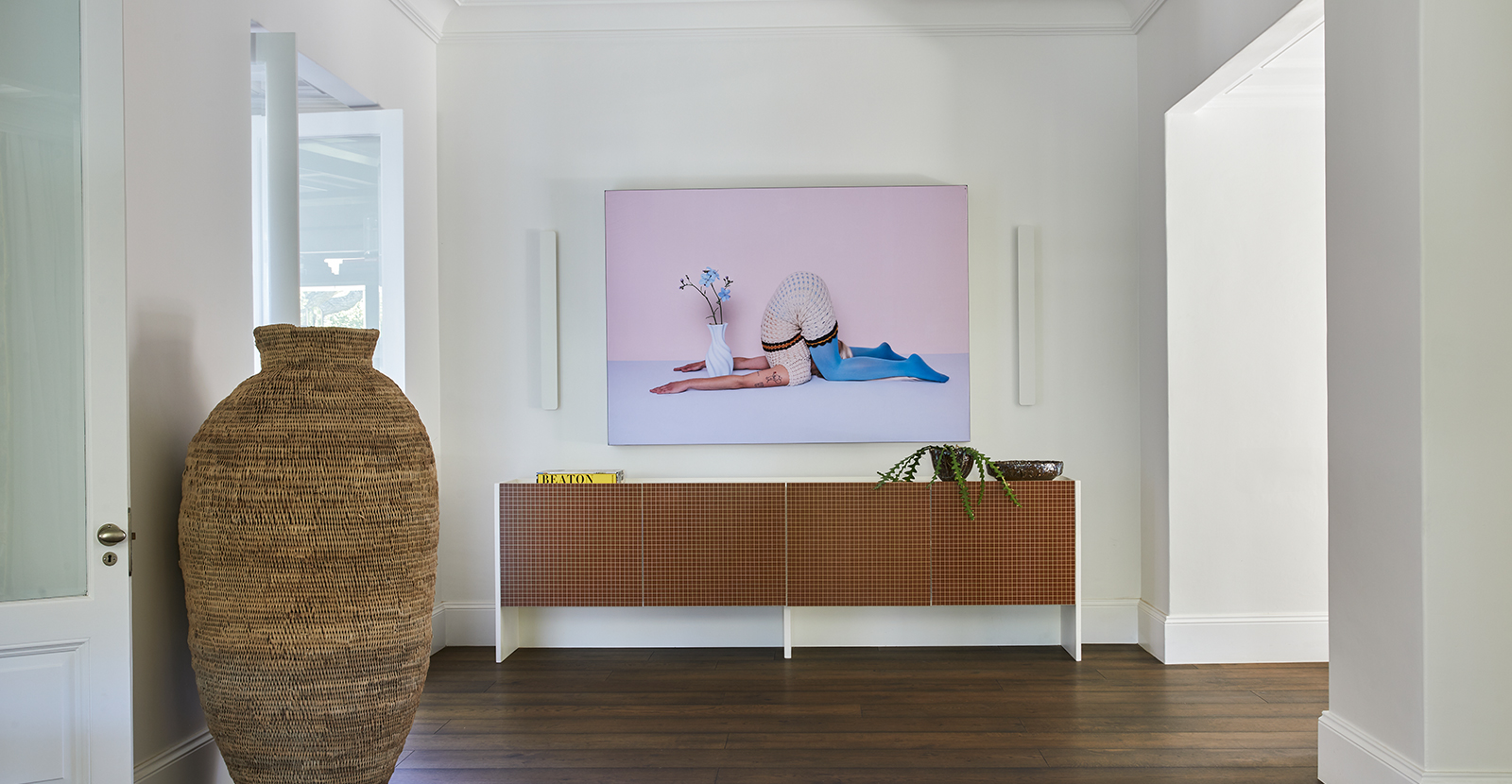
A Layered Design Language
Commercial interiors require more than visual impact. They require cohesion.
At Andrea Graff Interior Design, the focus remains on creating spaces that feel collected rather than assembled. Through mixing and layering, interiors develop a sense of richness without excess.
Materials are selected for their tactile quality and enduring appeal. Stone, timber, metal, linen, and textured finishes are combined with restraint, allowing each element to contribute quietly to the broader composition.
Furniture and lighting are approached architecturally, shaping both atmosphere and experience. Bespoke details introduce personality and intimacy, ensuring that the environment reflects a distinct and refined point of view.
This layered approach creates commercial interiors that feel comfortable and sophisticated while maintaining a strong sense of identity.
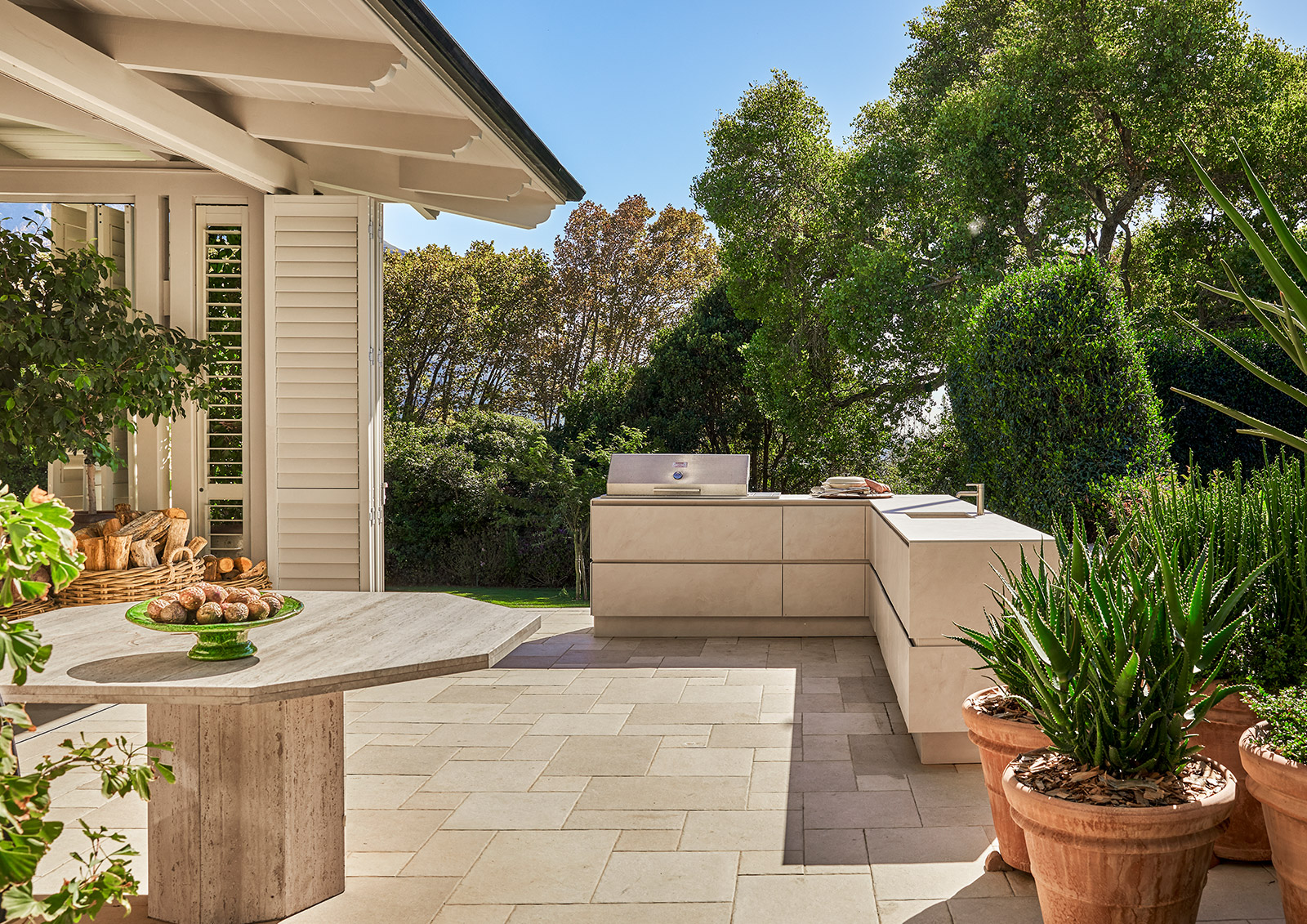
Commercial Projects
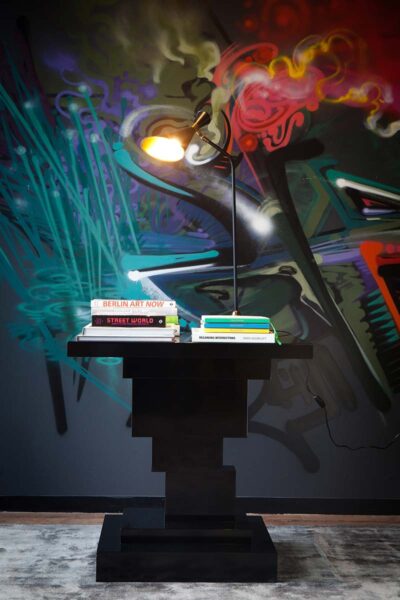
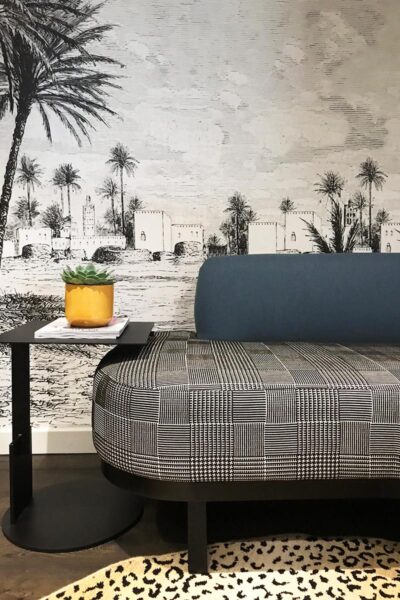
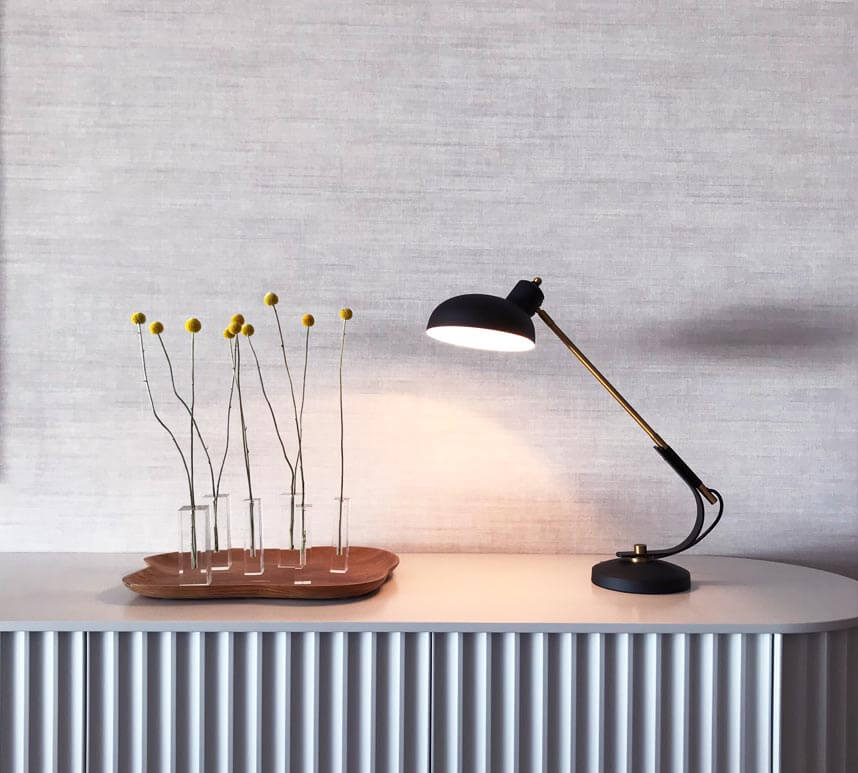
Hospitality, Retail, and Workplace Environments
Each commercial project is approached individually, shaped by the nature of the space and the experience it intends to create.
Hospitality interiors focus on immersion. Boutique hotels, restaurants, and lodges are designed to unfold gradually through tone, texture, and atmosphere, allowing guests to feel both connected and transported.
Retail environments rely on clarity and rhythm. Spatial composition guides movement naturally, while carefully curated material palettes reinforce the brand’s visual language without overpowering the experience.
Within workplace interiors, attention shifts toward balance and wellbeing. Spaces are designed to encourage productivity while retaining warmth, comfort, and a quiet sense of refinement.
Across every sector, the emphasis remains on timelessness rather than trend.
Frequently Asked Question
What defines a luxury commercial interior?
A luxury commercial interior is defined by spatial clarity, refined materiality, bespoke detailing, and an atmosphere that feels both intuitive and enduring.
Do you undertake boutique hospitality projects?
Yes. Boutique hospitality environments are approached with a strong emphasis on atmosphere, layered textures, and immersive spatial experience.
How involved is the studio throughout the project?
The studio remains closely involved from concept development through to final installation and styling, ensuring continuity across every stage.
Are interiors tailored to the client’s brand identity?
Each project is developed around the client’s identity, architectural context, and intended experience rather than a predetermined design style.
Do you collaborate with architects and specialists?
Yes. Collaboration with architects, artisans, and specialist contractors forms an integral part of the design process.
What types of commercial projects do you undertake?
Projects include boutique hospitality spaces, refined retail environments, private offices, and carefully curated commercial interiors.
Is bespoke furniture incorporated into projects?
Bespoke furnishings and custom detailing are often introduced to create a more resolved and individual interior language.
How long does a commercial project typically take?
Project timelines vary according to scale, architectural scope, and level of detailing involved.
What is the importance of material selection in commercial interiors?
Materiality shapes atmosphere, longevity, and tactile experience, contributing significantly to the overall character of a space.
What distinguishes Andrea Graff Interior Design’s approach?
The studio is recognised for its layered approach to interiors, combining timeless sophistication with warmth, texture, and carefully curated detail.