

The architecture of South Africa is unique in that it tells a story. The quaint white-washed gables of the Cape Dutch houses in the Western Cape or the geometric sophistication and elegance of Johannesburg Art Deco apartment buildings are all treasures of the past that demand preservation. Modern-day owners, however, desire to have a contemporary interior that reflects today’s lifestyle without sacrificing the historical value of the house.
This design ethos is revolutionizing luxurious home design in South Africa. Designers are choosing neither classic nor modern architecture but are combining elements of both. Original details are highlighted with furniture and sculptural lighting, polished to a fine finish and exaggerated in scale, creating a fresh perspective.
Modern Heritage Design the Perfect Example of Luxury Interiors
Luxury design no longer means filling your home with expensive furniture. Rather, it emphasizes the development of spaces that are unique, real, and harmonizing.
The historic building has by itself 2 aspects that create a sense of security:
- Original craftsmanship
- Architectural depth
- Unique proportions
- Character-rich materials
- A solid visual identity
Modern design contributes:
- Simplicity
- Functionality
- Clean geometry
- Innovative materials
- Contemporary comfort
The combination is a home that doesn’t look like the latest trend but rather has a classic feel to it.
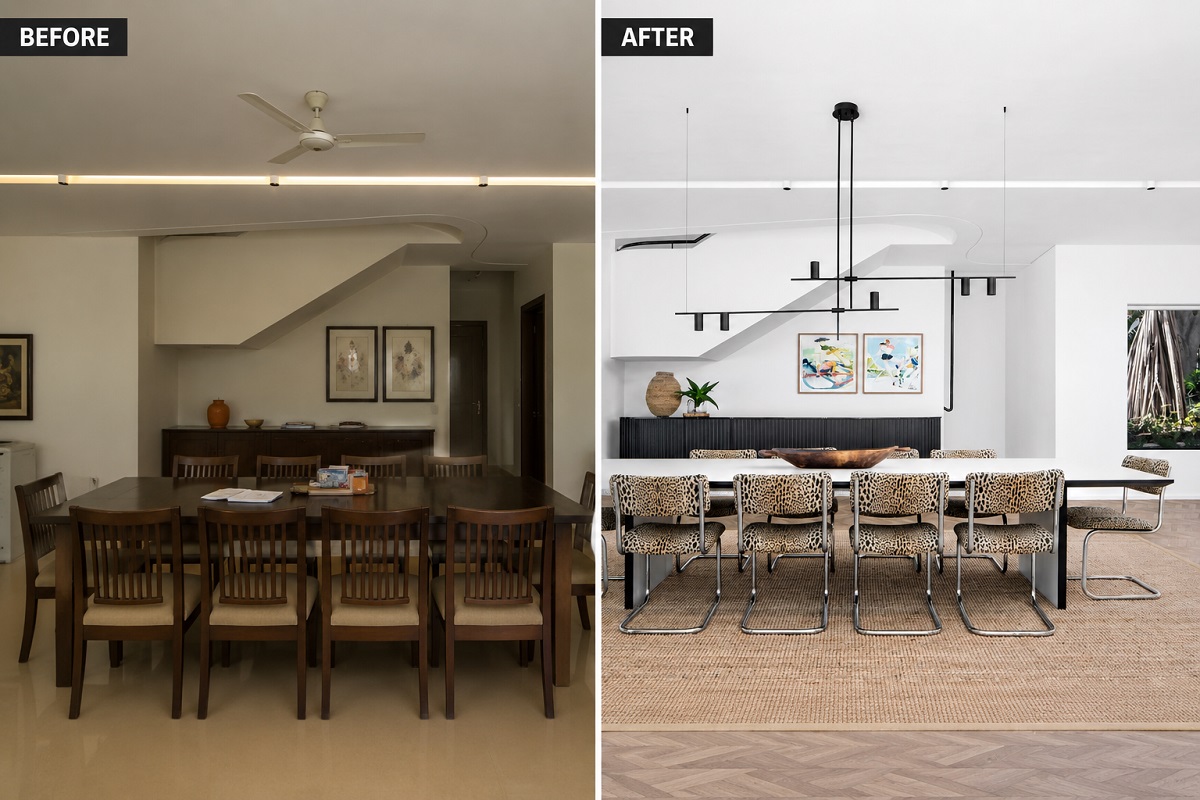
Basics of Cape Dutch Architecture
Cape Dutch houses are known for their symmetrical design, thick-walled and plastered facades, and ornate curved gables. Inside, many features:
- Exposed timber beams
- Board-on-board wooden flooring
- Deep-set windows
- Traditional fireplaces
- High ceilings
- Elegant wall mouldings
- Large entrance halls
They should never be a distraction to contemporary additions to the building. Rather, they should be the focal points of the interior.
The goal is to highlight these original features while adding skillfully chosen modern works that complement but don’t dominate them.
The Lasting Appeal of Johannesburg’s Art Deco Buildings
Art Deco architecture is one of the greatest designs treasures of which Johannesburg is blessed. These buildings, which are almost 100 years old, have a distinctly modern feel to them, with their geometric shapes, streamlined lines, and decorative elements.
Common features of interiors in typical Art Deco styles are:
- Curved corners
- Patterned parquet flooring
- Decorative ceiling details
- Steel-framed windows
- Symmetrical layouts
- Bold geometric motifs
- Elegant proportions
Of course, they will look great with modern decor styles as they both enjoy sharp lines and sculptural design.
Keep an Eye Out for The Architecture Before Decoration Is Installed
A common error that homeowners make when trying to modernize their homes is eliminating original details.
Do not remove architectural features; consider using these features:
- Ceiling roses
- Decorative cornices
- Original timber flooring
- Historic fireplaces
- Steel window frames
- Interior arches
- Built-in cabinetry
- Stone thresholds
Such information gives authenticity that cannot be achieved in today’s construction processes.
All additions must be made to accommodate these features and not taken away.
Highlight Historic Details with Minimalist Furniture
In contemporary Heritage, the use of restraint is the key.
Instead of overstuffing rooms with elaborately decorated furniture, opt for furniture that features clean geometry.
Excellent choices include:
- Low-profile modular sofas
- Floating media consoles
- Slim dining tables
- Sculptural coffee tables
- Minimalist sideboards
- Contemporary accent chairs
- Frameless mirrors
Simple furniture makes room for the visual breathing space so that the architectural features can be seen.
The contrast between simplicity and ornamentation gives an elegant balance.
Take advantage of Jumbo-Sized Statement Pieces
Luxury homes for sale in South Africa tend to have a large amount of room, high ceilings, and spacious open plans.
These large spaces often feel disjointed with small furniture.
Instead, expand the size of your community by a large, large factor.
Consider incorporating:
- Oversized drum pendant lights
- Large sofa sections.
- Monumental clay pots
- The table is a massive stone coffee table.
- Floor-to-ceiling artwork
- Sculptural indoor trees
- Oversized mirrors
- Long wooden tables for eating at.
The use of large statement pieces helps to fill large interiors and to draw attention to the scale of the architecture.
Opt for fewer but more substantial decorative pieces instead of filling a space with numerous objects.
Use High-Gloss Finishes to Create Contrast
Natural timber, textured plaster, and aged stone are common elements in historic interiors.
The use of reflective materials generates interest.
High gloss finishes work well with:
- Lacquered cabinetry
- Polished stone islands
- Gloss-painted feature walls
- Reflective sideboards
- Piano-black furniture
- Glass coffee tables
The combination of matte historic surfaces and polished modern finishes provides depth without overpowering the original architecture.
Lighting Should Be Considered Functional Art
One of the most powerful tools for Modern Heritage interiors is lighting.
You can use artistic chandeliers instead of traditional chandeliers that can serve as a sculpture.
Popular options include:
- Large drum pendants
- Linear LED chandeliers
- Sculptural brass fixtures
- Clusters of metal pendants in black metal.
- Globe lighting installations
- Curved floor lamps
- Organic ceramic lamps
As is to be expected, oversized light fixtures work well with the spacious rooms that South Africa boasts and add a distinctly modern flair.
Enjoy Rich Timber Floors!
There are many heritage homes already featuring beautiful hardwood flooring.
Please don’t carpet a floor from wall to wall.
Instead:
- Replace original timber as far as practicable.
- Use large rugs to structure seating areas.
- Opt for neutral rugs with a delicate texture.
- Leave large areas of the wood floor exposed.
The natural wood tones down the modern furniture, but still maintains the traditional ambience of the house.
The Modern Kitchen Will Respect the Heritage!
One of the most difficult considerations is the kitchen design.
Do not copy the design of cabinetry, but instead incorporate clean, contemporary kitchens that are in harmony with the architecture.
These are good design options to consider:
- Handleless cabinetry
- Waterfall stone islands
- Integrated appliances
- Minimal splashbacks
- Hidden storage
- Matte finishes
- Slim open shelving
Keep architectural elements in the kitchen and keep the cabinetry simple in appearance.
The contrast adds sophistication but doesn’t look disjointed.
Determine the Colours in A Calm Manner
Restrained colours are suitable for Modern Heritage design.
Here are some color ideas to consider:
- Warm white
- Soft ivory
- Greige
- Charcoal
- Matte black
- Olive green
- Sand
- Clay
- Walnut brown
- Natural stone tones
These hues can enhance both traditional and modern furnishings, creating a beautiful contrast.
Accent colours should be used in sparing amounts in the form of artwork or accessories, not to overpower an entire room.
Introduce Avant-Garde Art
Unusual contemporary art pieces love to pair with historic interiors.
Check for items with:
- Bold abstraction
- Sculptural installations
- Monochrome photography
- Geometric canvases
- Large mixed-media works
- Minimal line drawings
Modern art adds energy to an interior while keeping it from becoming museum-like.
Scale matters.
One large art piece can have a more dramatic effect than multiple smaller art pieces.
Mix Old with New (through accessories)
Accessories can go a long way toward connecting to historical architecture and modern furnishings.
Successful combinations include:
- Fanciful modern sculpture on an antique wooden console
- The elegant mirror above the minimalist cabinetry creates a sophisticated atmosphere.
- A combination of old and new ceramics, alongside modern books.
- The fireplace is paired with abstract art to create a traditional look.
- The fireplace is complemented with abstract art to give a traditional feel.
- Staircase with a heritage feel and modern lighting.
Both combinations create a visual narrative, with an emphasis on intentional design instead of chance.
Create Open Plan Spaces for a Purpose
Expansive open layouts are a feature of many luxury homes in South Africa.
It is important to zone large spaces.
Take advantage of furniture placement to create areas where walls are not required.
For example:
- Place a grand modular sofa to create the living room.
- Use a large rug under the seating area.
- Install pendant lighting over the dining area.
- Use generous clay pots and/or sculptural benches to anchor entries.
- Use open shelving to create a division of functional areas rather than solid walls.
This keeps things open and enhances flow and function.
Avoid Over-Restoration
One of the main pitfalls with renovating a heritage building is that it gets all new, like a baby.
The essence of authenticity is sometimes in the fine imperfections.
Preserve:
- Natural timber grain
- Original brick texture
- Historic stone wear
- Character-rich patina
- Handmade plaster variation
These inequalities give warmth that can’t be achieved with modern materials.
Authenticity is becoming more important than perfection for luxury.
Common Mistakes That Designers Often Make
The mix of old and new in building design is a delicate balance.
Be sure to avoid these mistakes:
- Needless destruction of original architectural elements.
- Selecting furniture that looks too cramped in large spaces.
- Stuff the interior with decorative paraphernalia.
- Using more than one design style at a time.
- Excessive use of shiny surfaces.
- Ignoring lighting scale.
- Beautiful timber floors painted.
- Covering with modern paneling of heritage moldings.
- Over-decorating with modern furnishings.
- Don’t forget about the function of their storage.
Sometimes, the simplest design has the greatest visual impact.
Helpful Tips
When you’re starting out the renovation process, here are some tips from the professionals:
- Purchase the furniture after restoring the original architectural elements.
- Purchase fewer, better, and more meaningful pieces that will serve as statements rather than fillers.
- Leave plenty of negative space around key architectural elements.
- Use lighting that is larger than normal for high ceilings.
- For modern spaces, add a natural touch to their design.
- Repeat finishes throughout the house.
- In each room, have one dramatic feature as its focal point.
- Do not use vintage items everywhere; use them selectively.
- Focus on creating over trends.
- Create designs that will last over time.
What will be the future of South African Luxury Interiors?
Modern Heritage is more than a fleeting fad, as design trends constantly change. It’s a trend that celebrates the importance of respecting the past while meeting the needs of today’s modern lifestyle. Homeowners are finding that more and more historical craftsmanship and contemporary innovation can coexist.
The iconic beauty of Cape Dutch homes fits nicely with a minimalist lifestyle. The story of the Art Deco apartments of Johannesburg goes on with intelligent renovation that preserves their history. When paired with large furniture, sculptural lighting, monumental artwork, and thoughtfully selected materials, expansive open-plan interiors are enhanced throughout South Africa.
The outcome is a house that is refined, very personal, and can’t be matched. Each restored beam, polished timber floor, dramatic pendant light fixture, and sleek contemporary sofa adds to the ambiance that is historic and contemporary.
Luxury is not the case of looking back or forward; it’s the skill of speaking both languages. Modern Heritage ultimately shows. Homeowners can achieve timeless, curated, and obviously extraordinary interiors by maintaining architectural character, adopting bold contemporary design, and fitting décor to the spacious living conditions of South Africa.
FAQ
- How to modernize an Art Deco home without losing its original charm?
Make sure to keep an eye on the architectural details like moldings, woodwork, fireplaces, and ceilings. Counter it with some modern furniture, big lighting, and minimalistic decor to create a nice balance and make the old endear.
- What colors work best in a modern heritage interior?
Warm white, ivory, greige, charcoal, olive green, sand, and walnut are all neutral, earthy tones that will give your room a lasting appeal. These subdued hues will provide a nice background for historic architectural features and let your modern decor and furniture take center stage.
- Can we use oversized furniture and lighting for SA homes?
Open plan and high ceilings are a must for any luxury house in South Africa. Big spaces filled with giant sofas, pendants, paintings, and pots create a cosy and luxurious atmosphere full of taste and style.
- Can we fit modern kitchens in heritage homes?
Yes. A contemporary kitchen with handleless cabinets, built-in appliances, and natural stone is a great addition to the rustic style of the house. Having a modern kitchen with a minimalistic approach will allow the home’s historical elements to take center stage.
- What is the biggest mistake we need to avoid?
Don’t take away original architecture to make it ‘contemporary’. Whether you are keeping the original and decorative fireplaces, wooden flooring, or mouldings, and adding a few strategically placed modern touches, you have a harmonious, elegant, and enduring interior.